
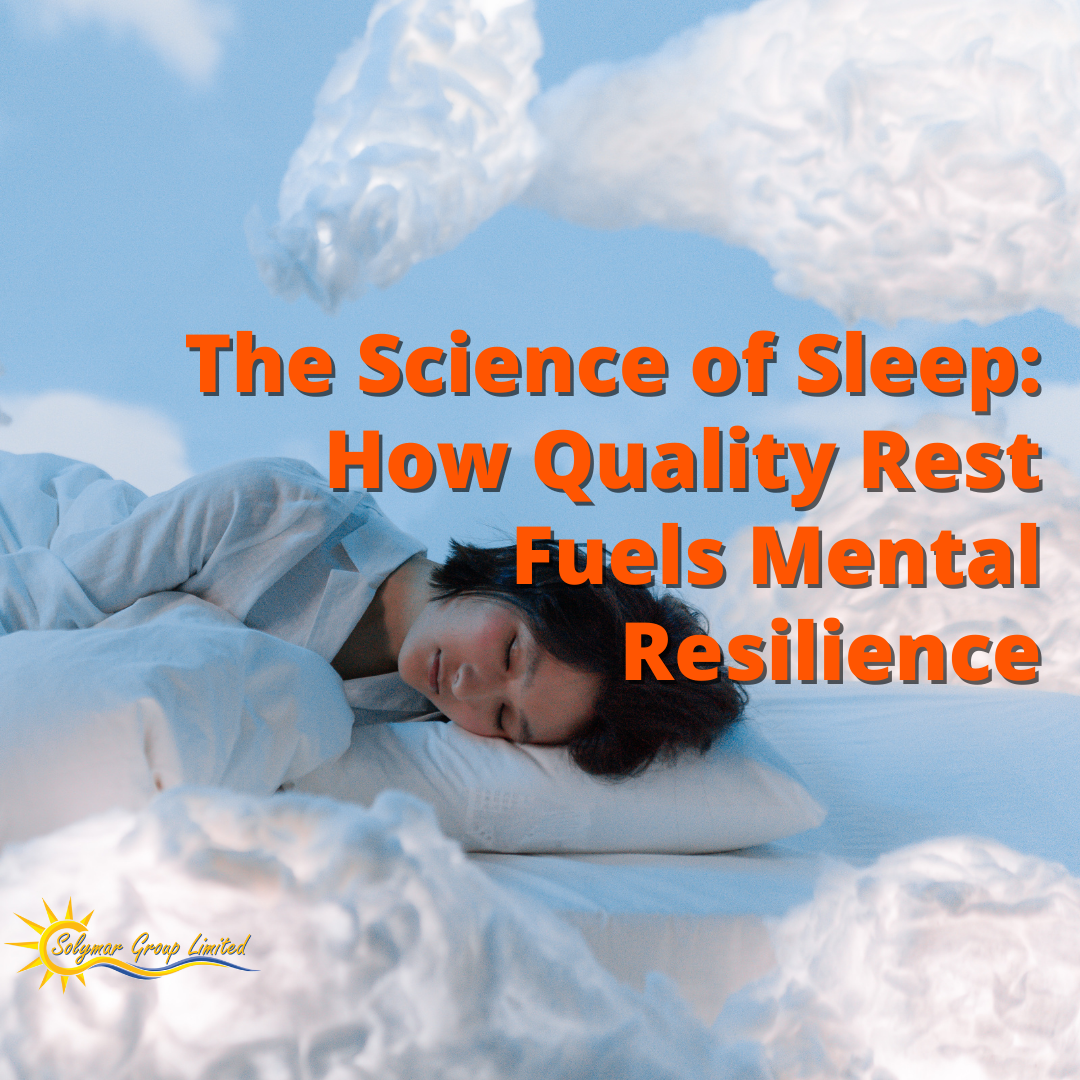
 In a world that often glorifies productivity and the hustle mentality, sleep is often sacrificed or neglected. However, emerging scientific research has shed light on the critical role quality sleep plays in promoting mental resilience. Beyond simply feeling refreshed, quality rest is essential for cognitive function, emotional well-being, and overall mental resilience. In this article, we will explore the science behind sleep and its profound impact on mental resilience. Moreover, we will provide valuable tips and strategies to improve sleep quality and unlock your full potential.
Break patterns. Build clarity. Create lasting change.
Professional support to help you think, respond, and live differently.
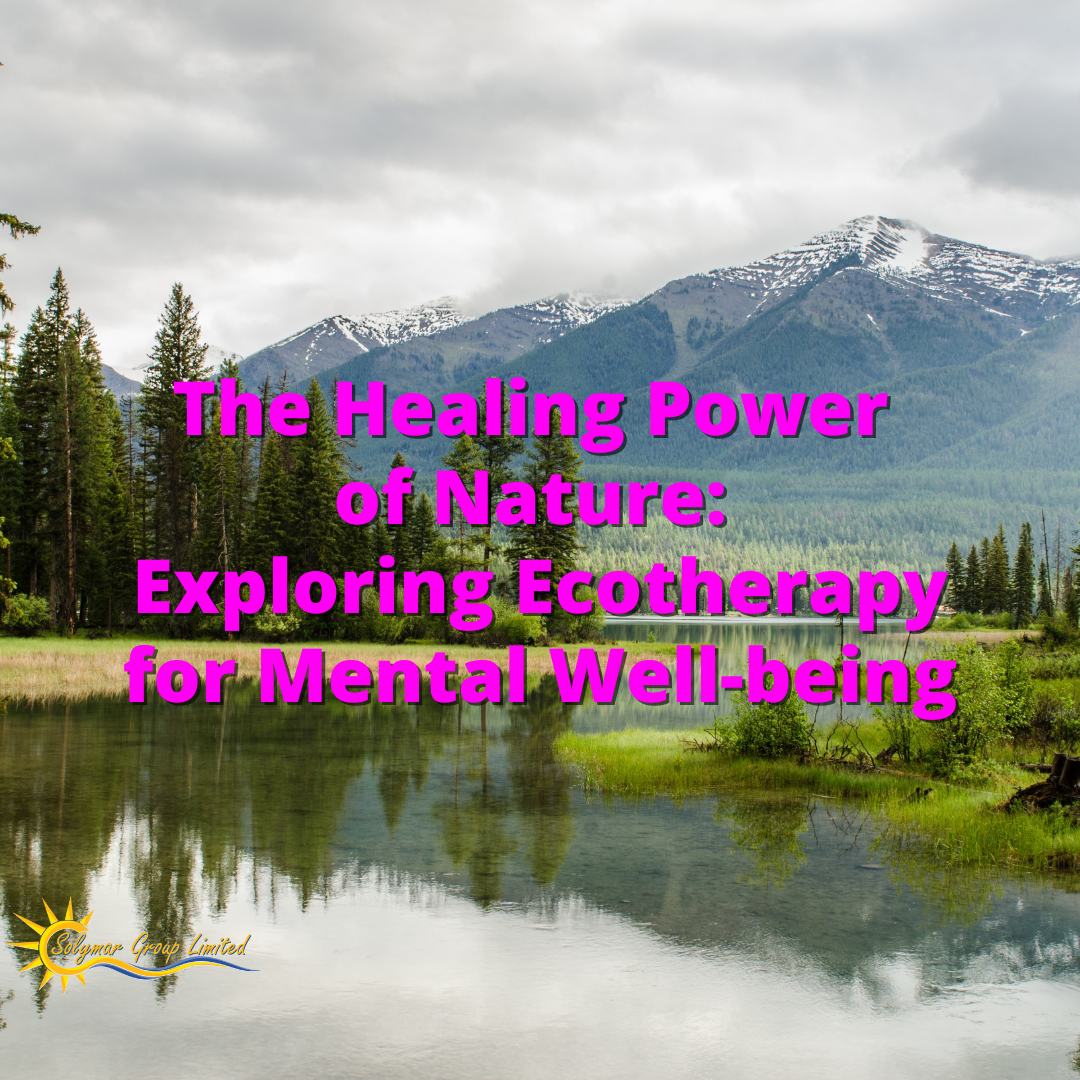 In our increasingly fast-paced and technology-driven world, it's easy to become disconnected from nature and lose touch with our inner selves. However, research has shown that spending time in nature can have profound effects on our mental well-being. This practice, known as ecotherapy, has gained recognition for its ability to heal and restore our minds. In this article, we'll explore the healing power of nature and the benefits of ecotherapy for mental well-being.
Ecotherapy, also referred to as nature therapy or green therapy, is an approach that integrates the healing benefits of nature into therapeutic practices. It recognizes the innate connection between humans and the natural world and emphasizes the importance of reconnecting with nature to promote mental wellness.
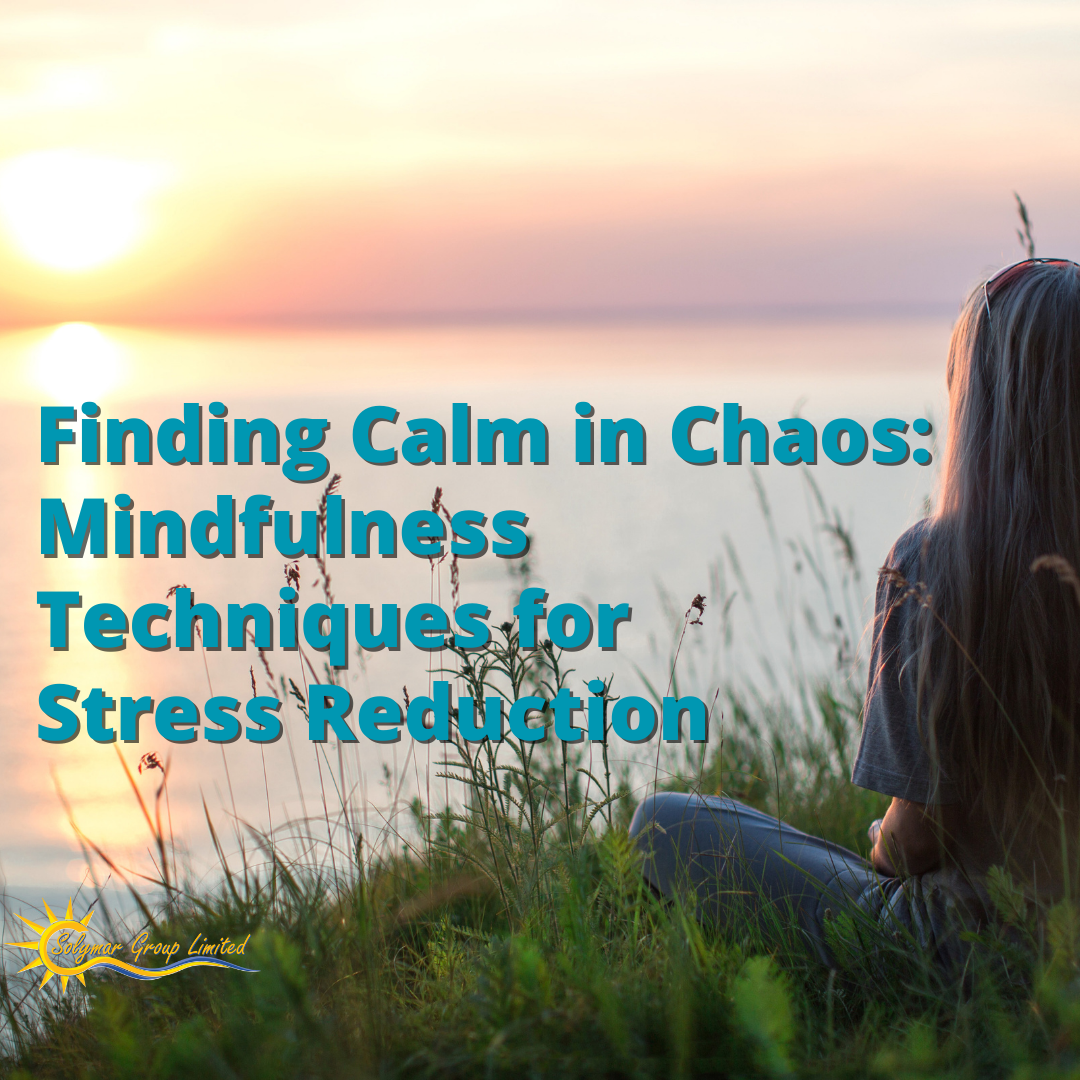 In today's fast-paced and demanding world, finding calm amidst the chaos has become increasingly challenging. Stress seems to be an inevitable part of our lives, affecting our mental well-being and overall quality of life. However, by incorporating mindfulness techniques into our daily routines, we can navigate the turbulence and cultivate inner peace. In this article, we will explore various mindfulness practices that can help reduce stress and restore tranquility in the midst of chaos.
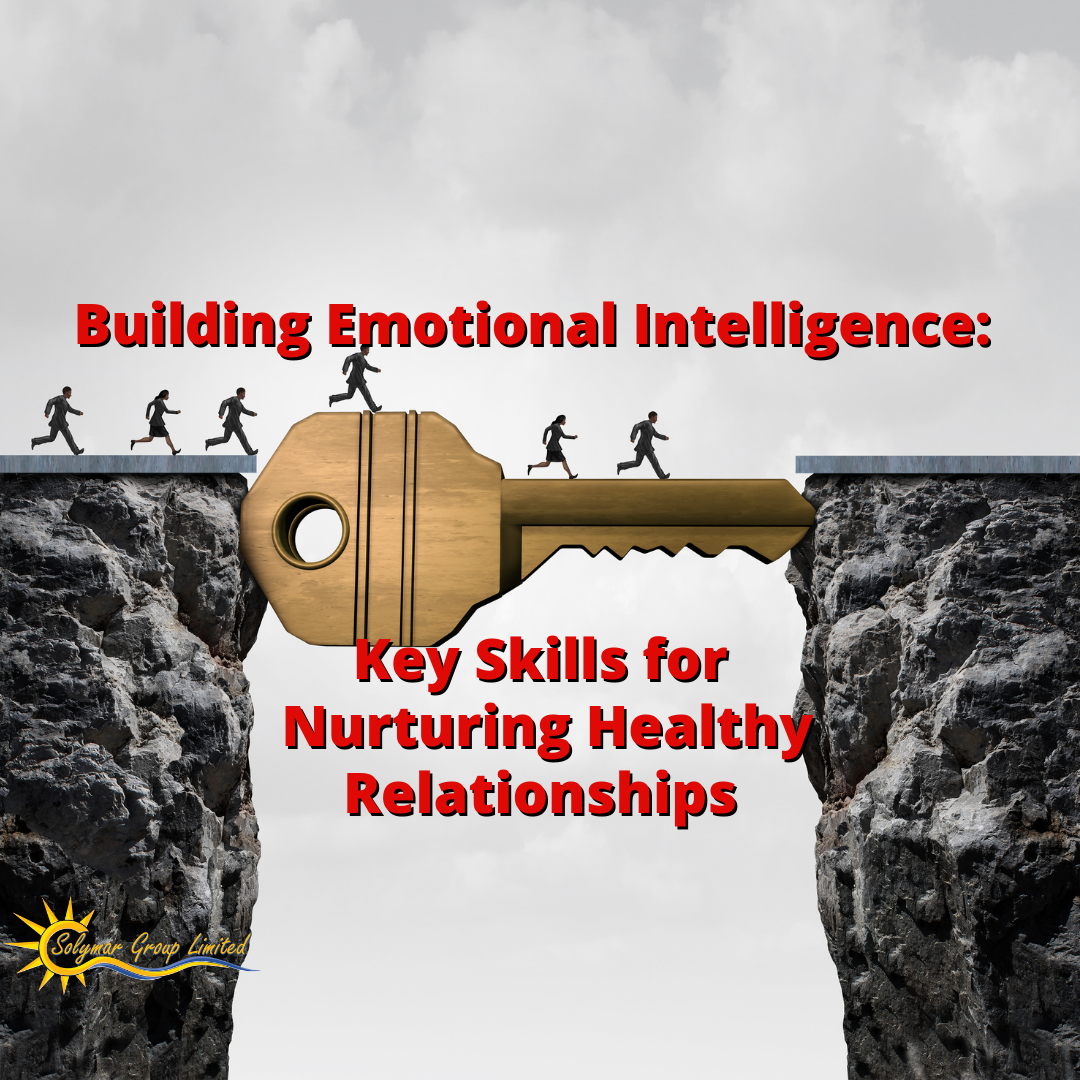 In today's interconnected world, the quality of our relationships plays a significant role in our overall well-being and happiness. A vital aspect of fostering healthy relationships is developing emotional intelligence, which involves recognizing and understanding our emotions and those of others. By cultivating emotional intelligence, we can navigate social interactions more effectively, communicate authentically, and build deep, meaningful connections. In this article, we will explore the key skills that can help you build and nurture emotional intelligence, leading to stronger and more fulfilling relationships.
 Our inner dialogue plays a significant role in shaping our perception of ourselves and the world around us. Negative self-talk, characterized by self-criticism, self-doubt, and self-deprecation, can have a profound impact on our mental well-being. It creates a harmful cycle that keeps us trapped in negativity and prevents us from reaching our full potential. However, by recognizing and addressing this destructive pattern, we can break free and cultivate a positive mindset that enhances our mental well-being. In this article, we will explore powerful strategies to overcome negative self-talk and pave the way for personal growth and improved mental health.
 In our fast-paced and often demanding world, it's easy to get caught up in the whirlwind of daily challenges and forget to appreciate the simple joys of life. We tend to focus on what's lacking or what went wrong, leading to increased stress and negative thinking. However, cultivating gratitude can be a powerful tool for enhancing mental health and promoting overall well-being. This article explores the transformative power of gratitude and provides effective strategies to incorporate it into your life.
 Life is full of challenges, setbacks, and unexpected curve balls. How we respond to these adversities can greatly impact our overall well-being and success. Cultivating emotional resilience is a powerful skill that enables us to bounce back from tough situations, adapt to change, and maintain a positive outlook. In this article, we will explore the importance of emotional resilience and provide practical strategies to help you build this valuable quality.

About Solymar Group
Experienced professionals committed to long-term, meaningful change.
We offer a balanced approach, combining insight and practical guidance to support your mental health journey.
Schedule Your Free Consultation
Book a 15-minute call to discuss your needs and find the right path forward.